 Change country:
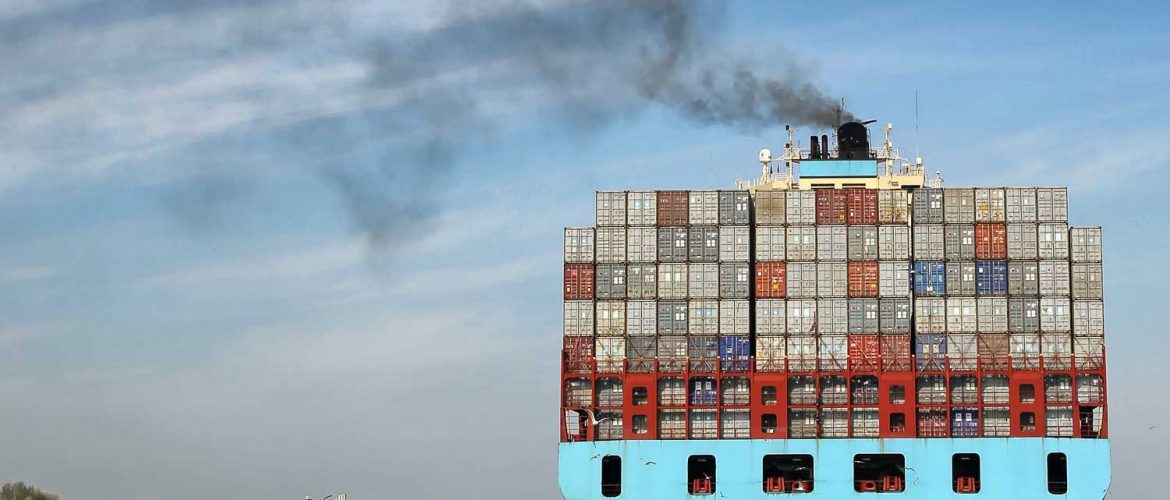
Carbon cost is no longer a future risk or a corporate reporting metric. It is now a direct, tradable component of freight pricing, influencing routing choices and carrier selection.
From 1 January 2026, the EU Emissions Trading System (EU ETS) moved to full scope for shipping activity within Europe, covering:
- 100% of emissions on voyages between EU ports.
- 50% of emissions on voyages between EU and non-EU countries.
- All emissions generated while vessels are alongside in EU ports.
The scheme also widens beyond carbon dioxide to include methane and nitrous oxide, increasing exposure for certain fuel types and vessel technologies.
For UK traders, the effect comes in two stages. EU ETS already applies to UK-EU movements because deep-sea container vessels call at EU ports. From 1 July 2026, the UK ETS expands to all maritime transport, effectively aligning both regimes and creating cumulative compliance exposure on cross-Channel as well as deep-sea services.
The practical outcome is simple: every shipment moving to, from or through Europe now carries a measurable carbon price.
Emissions surcharges now a permanent freight component
Ocean carriers are passing these regulatory costs directly through the supply chain.
Across major Europe-linked trades, emissions-related surcharges have increased materially in early 2026, typically rising by 40–60% quarter-on-quarter as full emissions coverage takes effect and allowance prices fluctuate.
In most trades, charges now sit broadly within a range of approximately USD 150–300 per FEU, depending on routing, vessel efficiency and fuel strategy. Some carriers are no longer listing them separately, instead embedding carbon costs within base freight rates.
The key shift is structural rather than temporary. Carbon pricing is no longer a marginal add-on, it is now embedded within standard freight economics and will remain so.
CBAM changes import economics
Alongside freight emissions pricing, the Carbon Border Adjustment Mechanism (CBAM) introduces a second layer of cost for importers of carbon-intensive goods such as steel, aluminium, cement, fertilisers, hydrogen and electricity.
From January 2026, importers must purchase CBAM certificates reflecting the difference between the product’s embedded emissions and EU benchmarks.
If verified emissions data is unavailable, default EU values apply. These intentionally represent high-emission production methods, meaning costs can rise significantly even where the actual footprint is lower.
Unlike a transport surcharge, CBAM effectively taxes the production process itself. Small data gaps or supplier misalignment can materially change shipment profitability, particularly in high-volume or low-margin sectors.
Supporting shippers
Managing these changes requires visibility, interpretation and proactive planning.
Noatum Logistics supports customers with:
- Carbon-aware routing strategies.
- Carrier surcharge analysis and forecasting.
- Emissions reporting guidance.
- Supplier and trade-lane evaluation.
- Practical sustainability advice.
Our teams help businesses understand their true cost exposure and adapt procurement and transport strategies to keep supply chains competitive as regulation evolves.
Speak to Noatum Logistics today to understand how carbon pricing will affect your specific trade lanes and how to minimise its impact on your total landed cost.
 Unit 1, Alpha Way, Thorpe Industrial Estate