Malaysia’s expanding role in the eCommerce logistics landscape
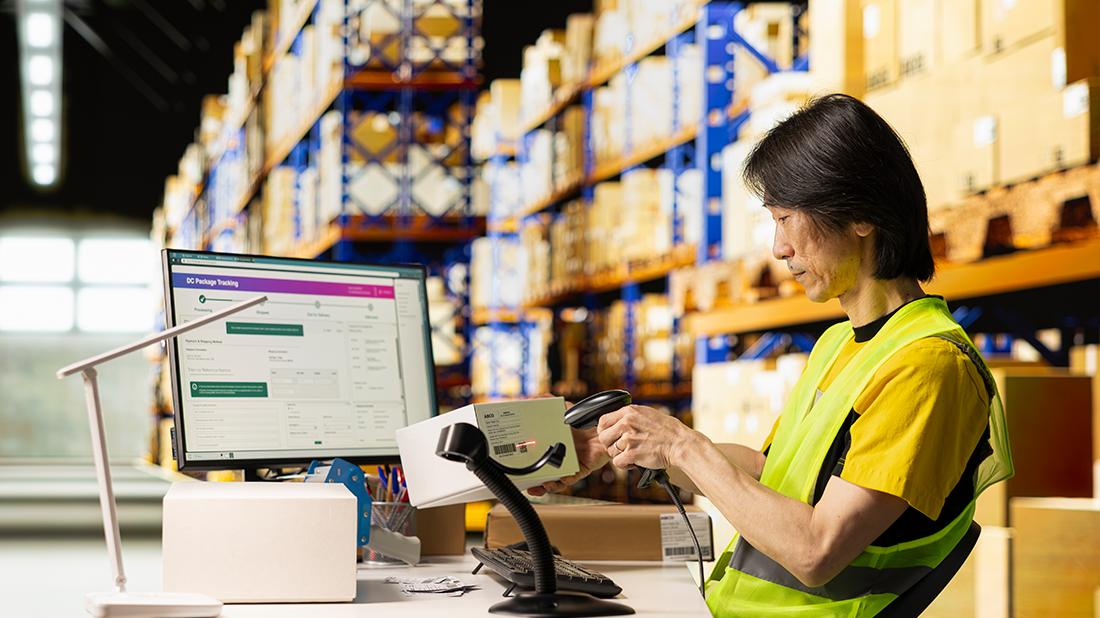
Southeast Asia’s eCommerce market continues its remarkable upward trajectory, but few countries are accelerating strategically as Malaysia. Positioned at the heart of the Intra‑Asia trade corridor, Malaysia is emerging not only as a high‑growth consumer market but also as a logistics powerhouse enabling seamless regional commerce.
A digital‑first consumer market powering growth
Malaysia’s digital economy has undergone a profound transformation, with eCommerce solidifying its position as a critical economic engine. A combination of structural and behavioural factors is accelerating this growth:
- High smartphone penetration (89%+) and expanding 5G networks are pushing Malaysians toward mobile‑first buying journeys.
- Digital wallets and BNPL solutions are reshaping checkout habits, supporting faster, more frictionless transactions.
- Malaysia is forecast to reach USD 23.11 billion in eCommerce market value by 2031, continuing a strong CAGR of 13.67%.
Malaysia’s strengthening position in Intra‑Asia trade
As Intra‑Asia trade expands, Malaysia is becoming an indispensable hub thanks to its geography, cross‑border connectivity and trade‑friendly frameworks.
- Malaysia exceeded RM3 trillion in total trade for the first time in 2025, marking its highest export and import performance in history.
- The country’s network of Free Trade Agreements—including RCEP and CPTPP—is further lowering costs and accelerating regional eCommerce flows.
World‑class port and airport infrastructure
Malaysia hosts some of the largest and most advanced logistics assets in Southeast Asia:
- Port Klang and Port of Tanjung Pelepas are among the busiest transshipment ports globally, enabling fast, cost‑efficient regional distribution.
- KLIA Cargo Hub supports substantial air‑freight capacity essential for time‑sensitive eCommerce delivery.
- Major upgrades across port and airport facilities, including automation and digitalised cargo handling, are significantly boosting operational efficiency.
Smart logistics
Malaysia is also investing heavily in next‑generation fulfilment capabilities:
- The SMART Logistics Complex (SLC) initiative is integrating IoT, AI, automation and RFID to modernise warehouse operations nationwide.
- Leading brands (including global eCommerce retailers) have already established regional fulfilment hubs in Malaysia, validating its rising importance as an Intra‑Asia distribution centre.
Consumer expectations
Like the broader Southeast Asia region, Malaysian consumers now demand:
- Faster and more predictable delivery, with same‑day and next‑day options increasingly becoming the norm.
- Real‑time tracking, automated notifications and convenient last‑mile options.
- Omnichannel shopping experiences, blending marketplace, social commerce and offline-to-online journeys.
Expanding cross‑border eCommerce footprint
Cross‑border eCommerce across Southeast Asia is booming and Malaysia plays a central role:
- The SEA cross‑border eCommerce market was valued at USD 45.39 billion in 2025 and continues to scale swiftly.
- Malaysia and Singapore jointly account for nearly half of Southeast Asia’s cross‑border eCommerce activity, reinforcing Malaysia’s strategic relevance.
- Reduced tariff barriers under RCEP and bonded‑warehouse models are cutting regional delivery times to under three days.
How Noatum Logistics eCommerce Solutions can help you
Brands expanding into Intra‑Asia require partners capable of navigating a fast‑evolving landscape. We support your growth through:
- End‑to‑end eCommerce fulfilment across Malaysia and Asia.
- Strategic location advantage.
- Advanced technology integration.
- Cross‑border expertise.
- Customised solutions for marketplace, D2C and omnichannel.
If you’re looking to expand in Malaysia or scale across Southeast Asia, our specialists can help you build a resilient and future‑ready supply chain!
Sources
https://www.mordorintelligence.com/industry-reports/malaysia-ecommerce-market