 Change country:
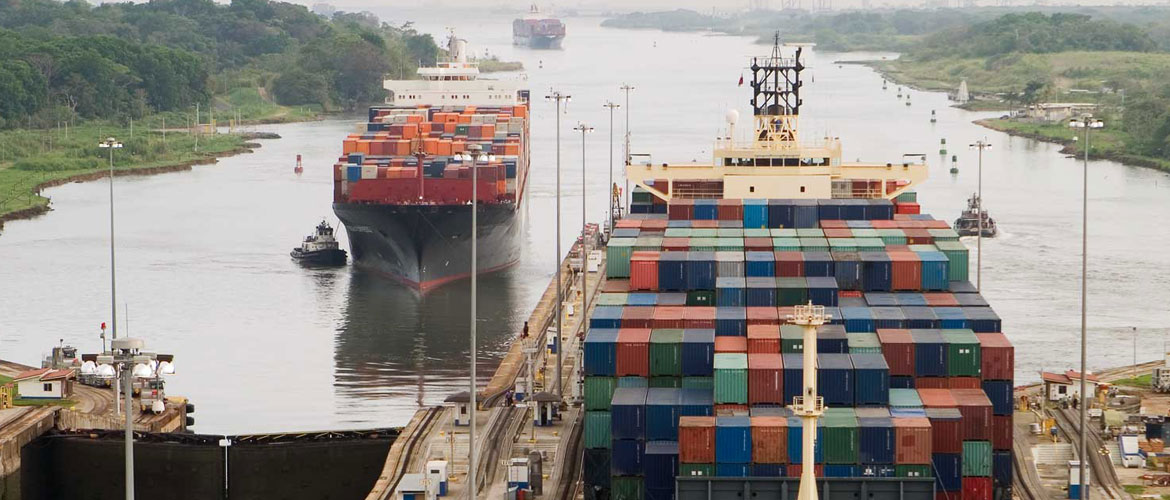
For sea freight customers planning shipments for the second half of 2026, the Panama Canal outlook is more stable than many feared, with no plans to impose vessel transit restrictions for the remainder of 2026, even if El Niño renews drought pressure.
That will come as welcome news to shippers impacted by Panama’s drought-related restrictions of previous years, with reduced booking slots, tighter draft limits, vessel delays and added cost.
However, “no restrictions planned” should not be confused with “no risk”. For businesses relying on Panama Canal routings in Q3 and Q4, the message is better understood as cautious stability rather than complete certainty.
Why the outlook is better than before
The main reason for the more positive outlook is preparation. The canal authority has been implementing water-saving measures since 2025 and has kept Gatun reservoir levels historically high, helping it manage the risk of lower rainfall later this year.
There is also evidence that reservoir conditions have improved compared with the worst of the recent drought period. Reporting in February noted that Gatun Lake had reached its maximum operational level, prompting a controlled discharge from the Gatun Dam as a preventive step after heavy rainfall.
Taken together, those factors suggest the canal is entering the second half of 2026 in a stronger operational position. That does not entirely eliminate weather exposure, but it does mean the canal authority is trying to stay ahead of the problem rather than reacting after conditions have already deteriorated.
Why customers should still stay alert
The reason caution remains necessary is simple: the weather threat has not gone away, and planning continues around potential water shortages as NOAA forecasts a 98% chance of El Niño conditions, which could increase the risk of drier weather and pressure on canal operations later in the year.
This matters because, despite the canal authority’s optimism, shippers have seen how quickly Panama Canal conditions can tighten when water availability falls. In 2023, the canal authority cut booking slots from already reduced levels and signalled further reductions over time, while drought-related constraints also led to draft restrictions and extended queues.
For cargo owners, the practical lesson is that even when the canal remains open, service performance can still become more volatile. Booking discipline, vessel scheduling, transit windows and contingency routing all become more important when there is any possibility of weather-led operational change during peak season.
What this means for Q3/Q4 planning
For most shippers, the sensible approach for Q3 and Q4 2026 is to continue planning Panama routings where they make commercial and operational sense, but to do so with more discipline than in a normal year. There is no clear evidence today that a repeat of previous disruption is imminent, yet there is enough weather risk in the background to justify tighter planning controls.
That means a few priorities should move up the agenda:
- Review which shipments are most exposed to Panama transits, especially retail, seasonal and time-sensitive cargo.
- Build realistic lead-time buffers into Q3 and Q4 forecasts in case booking conditions or vessel schedules shift.
- Stay close to carrier updates on transit allocations, draft conditions and schedule changes.
- Assess alternative route options early for cargo that cannot absorb delay.
- Make sure internal procurement, sales and inventory teams understand that canal stability has improved, but has not become guaranteed.
If your supply chain depends on Panama Canal routings, now is the time to review your second-half shipping plan. Noatum Logistics can help you build a more resilient sea freight strategy for Q3 and Q4 2026, with flexible routing options, stronger shipment visibility and the operational support needed to reduce disruption risk and protect service performance.
 Plot No.4-5 Sec. Khia 5,