 Change country:
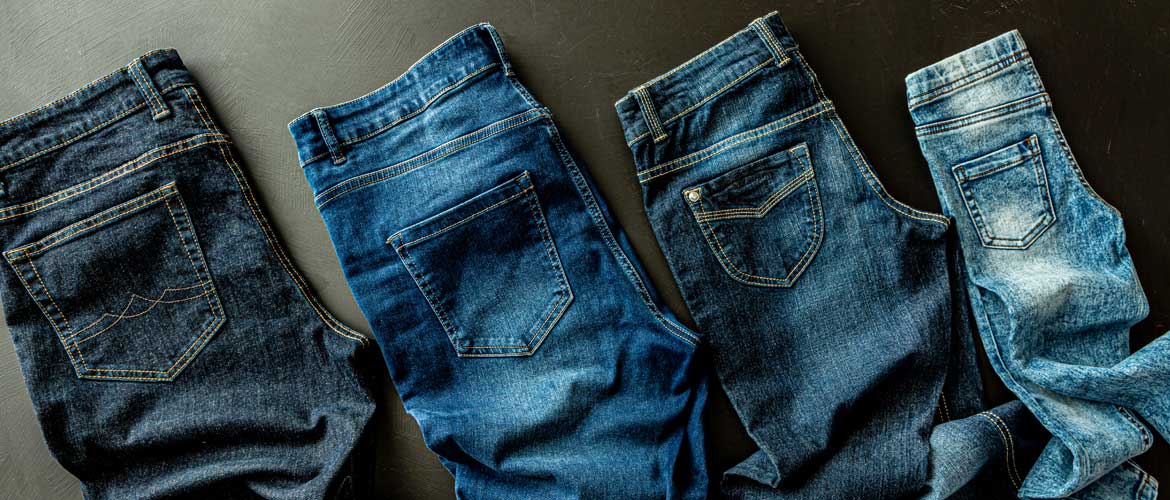
Returns are costing fashion and beauty brands billions. Can smarter logistics and circular models turn this growing burden into an opportunity?
The boom in e-commerce has transformed consumer expectations, but it has also wreaked havoc on reverse logistics. With return rates in fashion now averaging 30-40% for online purchases, brands are struggling to process, resell, or recycle returned items efficiently.
The financial and operational burden of handling millions of returned goods is growing, compounded by high transport costs, markdown losses, and sustainability regulations banning stock destruction.
In 2023 alone, the U.S. fashion industry lost $743 billion due to returns—14.6% of all purchases. Yet many brands lack the infrastructure to efficiently manage returned stock, leading to slow processing, markdowns, and excessive waste.
As retailers race to improve profitability, optimising reverse logistics is no longer optional, it’s a necessity.
The Hidden Costs of Poor Reverse Logistics
1. Soaring Return Rates Are Draining Profits
- Online purchases have an average return rate of 30-40%, compared to just 8-10% in physical stores.
- Many brands lack the ability to efficiently restock returned goods, leading to heavy markdowns or disposal.
- Returns handling costs up to 66% of the original item price, from transport to repackaging and resale.
- Brand are increasing introducing return fees in key markets to offset the financial and environmental costs of high return rates.
- Return logistics costs in the U.S. surged by 15% in 2024, driven by processing inefficiencies and higher transport expenses.
- Return rates are rising, particularly in Europe, where return logistics costs are expected to grow by over 20% by 2026.
2. Waste & Lost Inventory Value
- Slow returns processing leaves stock sitting in warehouses, depreciating in value before being resold.
- Returned items often require repackaging or repairs, adding costs and extending turnaround times.
- The longer an item is out of circulation, the lower the resale price.
- A major European shoe retailer required a 4-day return processing window to maintain customer loyalty. Slow returns handling was leading to customer attrition and missed resale opportunities.
- Stock sitting too long in warehouses results in markdowns of 25-50%**, significantly reducing profitability.
- 50-60% of returned goods require re before resale, increasing labour and handling costs.
3. The Environmental Impact of Returns
- Reverse logistics accounts for 750,000 tonnes of CO2 emissions annually in the U.K. alone.
- Transporting returned goods accounts for nearly 50% of total emissions in reverse logistics.
- Many returned goods never make it back to inventory and are discarded due to damage, hygiene concerns, or poor resale viability.
- Primark now ensures 66% of its clothing is made from recycled or sustainable materials, reducing the waste impact of returned stock.
- By 2026, E.U. regulations will ban destruction of unsold stock, forcing retailers to develop sustainable reverse logistics models.
- Luxury brands previously burned unsold inventory (e.g., Burberry) shifting to resale and donation initiatives.
The Future of Reverse Logistics: Smarter, Faster, and Greener
1. Returns Forecasting
Brands like ASOS and Zara are using AI-driven analytics to predict which items are most likely to be returned, adjusting stock levels accordingly.
- AI-driven demand planning has cut inventory waste by up to 20%, improving profitability.
2. Automated Sorting & Resale Platforms
Retailers are implementing RFID blockchain-based returns processing to automate sorting and restocking.
- A European retailer integrated automation into its returns facility, processing 500-600 returned items per hour for next-day resale.
3. Expanding Circular Models: Recommerce & Repairs
Brands are scaling second-hand initiatives to reduce return-related waste and increase resale potential.
- Nike’s recommerce program enables customers to return worn sneakers for resale, repair, or recycling.
- Patagonia’s Worn Wear initiative allows customers to trade in used clothing for resale, promoting circularity.
- 40% of brands are investing in resale and rental models to optimise reverse logistics efficiency.
- Fashion brands that have adopted resale platforms have seen a 10-15% reduction in returns-related losses.
Optimising Reverse Logistics for Profitability
With returns surging, regulations tightening, and sustainability mandates increasing, brands must redefine reverse logistics. AI-driven forecasting, recommerce platforms, and sustainability compliance will determine who thrives in 2025 and beyond.
Noatum Logistics is ready to help brands take control of their returns and transform them into an opportunity.
Streamline returns processing through AI-powered forecasting and automation.
Reduce emissions and transport costs with regional return centres.
Simplify customer returns process with automated systems and processes.
Maximise resale value with rapid restocking and circular economy initiatives.
Stay ahead of regulations with traceable and transparent reverse logistics models.
Discover how Noatum Logistics can future-proof your reverse logistics operations.
Visit our solutions page to learn more.
DOWNLOAD THE WHITE PAPER
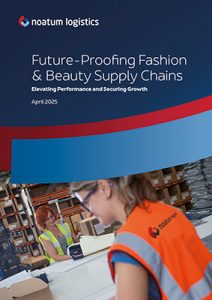
Future-Proofing Fashion & Beauty Supply Chains
Elevating Performance and Securing Growth
– Geopolitical Conflicts & Economic Instability
– Environment & Sustainability Pressures
– Supply Chain Bottlenecks
– Fragmented Supply Chain Processes
– Lack of Inventory Visibility & Forecasting
– Inefficient Reverse Logistics
Stay ahead of industry challenges—download your copy now!
 Unit 1, Alpha Way, Thorpe Industrial Estate