
India’s emergence as a core manufacturing and sourcing hub is now clearly visible in trade and capacity data on westbound lanes to Europe and North America. India’s trade in goods with the UK and EU surpassed €150 billion in 2025, making
 Change country:

Home / News
India’s emergence as a core manufacturing and sourcing hub is now clearly visible in trade and capacity data on westbound lanes to Europe and North America. India’s trade in goods with the UK and EU surpassed €150 billion in 2025, making
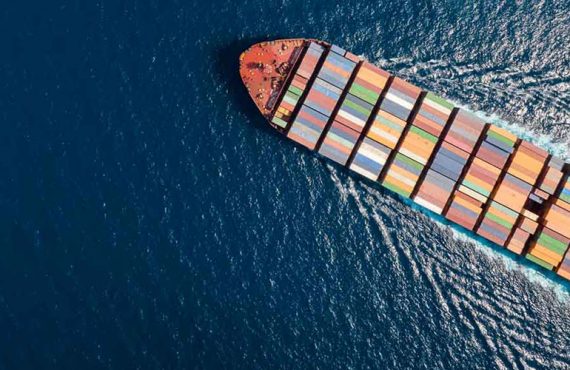
Container shipping rates have climb throughout 2026, and while some lanes have softened, market indicators suggest they could remain elevated for longer than many expected, despite a significant wave of new vessel deliveries scheduled from 2027. For much of the past

Global volumes remain robust, but the underlying story is far more complex. Airlines are restoring networks disrupted by regional tensions, while simultaneously repositioning aircraft to meet changing trade flows, humanitarian demands, and evolving cargo priorities. The result is a market

Container shipping networks are under increasing strain, but the industry’s headline performance data is no longer telling the whole story. On paper, schedule reliability has improved, average delays have stabilised and more vessels are arriving “on time” than at any point

Global supply chains entered July in a relatively stable position, but that stability is proving increasingly fragile. Capacity continues to recover across ocean, air and road freight, yet a combination of resilient demand, regional congestion and renewed geopolitical tension is

The UK’s trade agenda is moving forward on several fronts, with specific agreements and negotiations now shaping how goods move, where they can be sourced, and which markets are opening up. For shippers, the value lies in the detail: tariff

For businesses with cargo moving to, from or through the Gulf, the rules of supply chain planning have fundamentally changed, with land-bridge and multimodal solutions moving from contingency option to operational necessity. With container flows through the Strait of Hormuz effectively
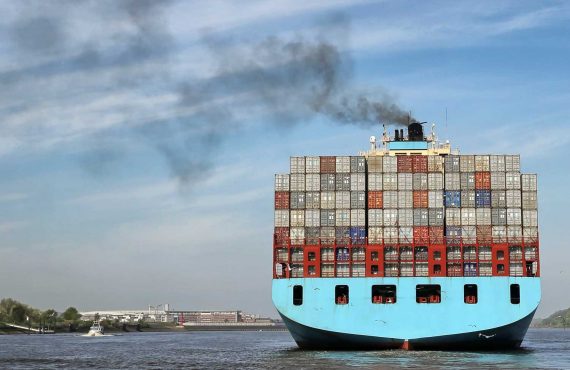
Carbon cost is no longer a future risk or a corporate reporting metric. It is now a direct, tradable component of freight pricing, influencing routing choices and carrier selection. Since the start of the year, the EU Emissions Trading System (EU
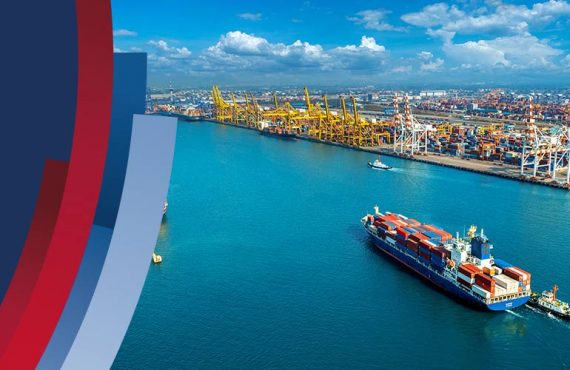
The rippling impact of geopolitical pressure around the Strait of Hormuz is rewriting the traditional container shipping calendar for shippers and their supply chain planning. Container shipping has historically followed a predictable rhythm. Rates build ahead of Chinese New Year, ease
 Unit 1, Alpha Way, Thorpe Industrial Estate
Egham, TW20 8RZ, United Kingdom
+44 (0)1784 480 100
infouk@noatumlogistics.com
Noatum Logistics is a company
of AD Ports Group
Reach out: rc-reachout@adports.ae
Whistleblowing: Online portal
© Copyright 2026. All Rights Reserved.