Why flexible warehousing is becoming essential for eCommerce growth
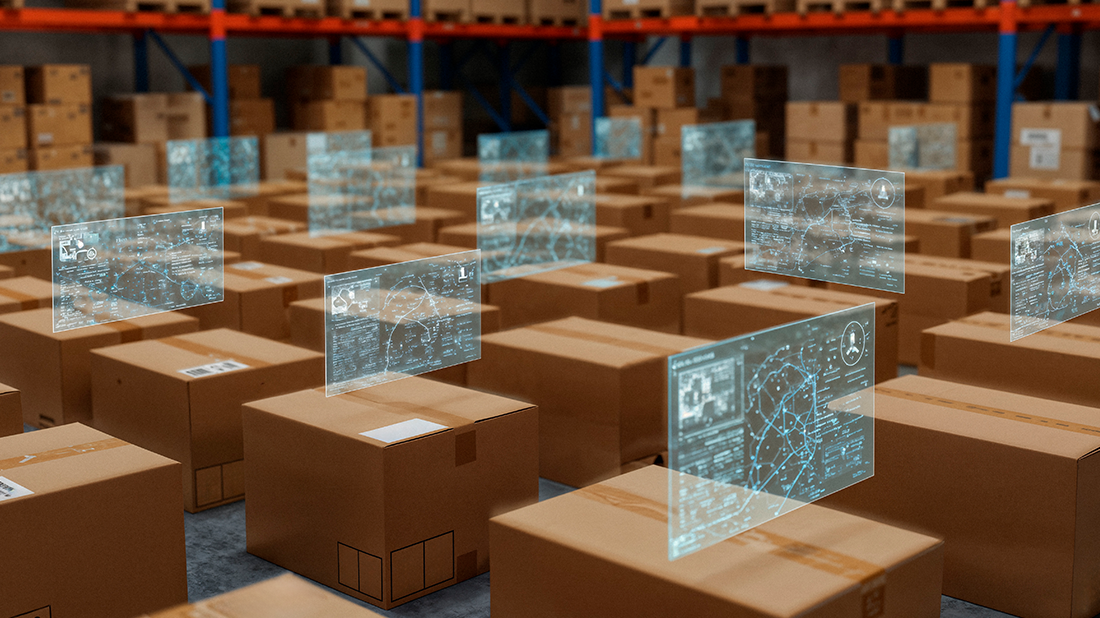
The swift expansion of eCommerce continues to reshape the logistics landscape. Brands now face unprecedented pressure to deliver faster, adapt quicker and scale more efficiently than ever before. This evolving environment is making flexible warehousing, including demand storage, scalable fulfilment, modular capacity and shared facilities, a core enabler of sustainable eCommerce growth.
On-demand storage reduces risk and upfront investment
Ondemand warehousing offers immediate access to space without long-term commitments, enabling companies to respond quickly to seasonal peaks, inventory overflow or sudden market shifts. This cloud-style model allows brands to rent space only when needed. The result is a more responsive and optimised supply chain that adapts to real-time business conditions.
Scalable fulfilment enables faster growth
eCommerce volumes are increasingly unpredictable. Products can go viral overnight, seasonal events can double fulfilment needs instantly and supply chain disruptions can reroute goods without warning. Flexible warehousing models allow teams to dynamically increase or decrease space and throughput capacity depending on actual order flow, reducing bottlenecks during peak periods.
This adaptability is now seen as a competitive advantage for brands aiming to maintain high service levels during intense promotional cycles.
Enhancing operational agility in a volatile market
Logistics volatility driven by seasonal surges, supply chain disruptions and evolving consumer buying patterns, requires warehousing models that adapt quickly. This agility helps businesses maintain performance even under unpredictable market conditions.
In an era where customer experience relies on fulfilment speed and accuracy, inflexible warehouse structures can limit growth and lead to inefficiencies. Flexible solutions provide the elasticity required to stay ready.
Enabled flexibility builds long-term resilience
Modern eCommerce warehousing increasingly relies on data-driven systems, automation and powered forecasting tools. Trends show that flexible warehousing models integrate these technologies to improve visibility, inventory accuracy and end-to-end optimisation.
With the rise of fulfilment centres, autonomous mobile robots and real-time inventory integration, brands are gaining new capabilities to scale sustainably while reducing operational risk.
How Noatum Logistics eCommerce Solutions can help you
At Noatum Logistics eCommerce Solutions, we support brands in building flexible, scalable and resilient warehousing models that match the realities of modern eCommerce through:
- Flexible and on‑demand storage.
- Scalable fulfilment operations.
- Shared facilities across strategic locations.
- Advanced technology integrations.
- End‑to‑end logistics support.
- Global yet local fulfilment network.
By combining advanced technology and a globally connected fulfilment network, we empower brands to scale confidently, stay resilient in a fast‑changing market and deliver exceptional customer experiences.
Sources
https://www.cubework.com/blog/the-rise-of-e-commerce-warehousing-in-2026
https://www.mordorintelligence.com/industry-reports/on-demand-warehousing-market